Influence Profile
No genre data available
Genre information will appear here once available
Trending in Pt. Shivkumar Sharma’s World
No discography available.
Story
Quick Facts
Born
1938
1938
From
India
India
Journey
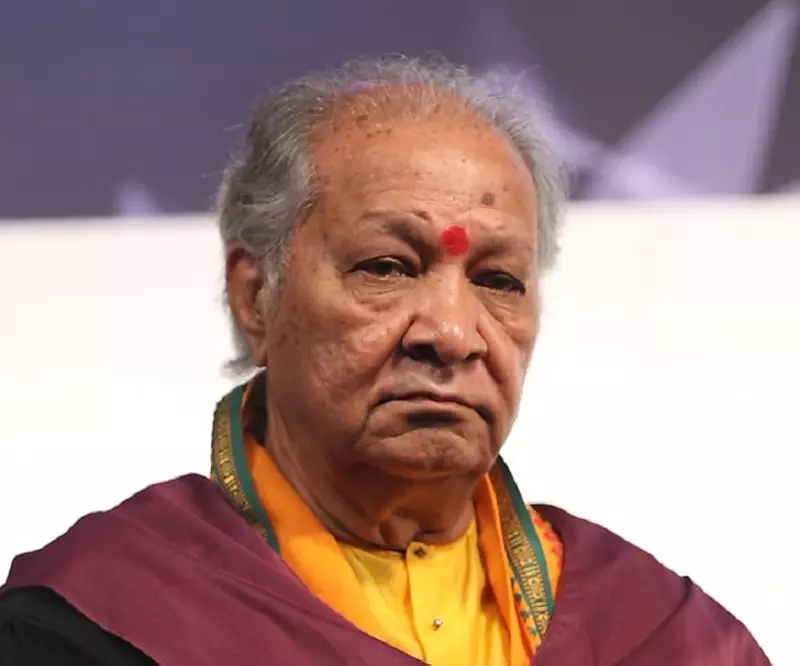
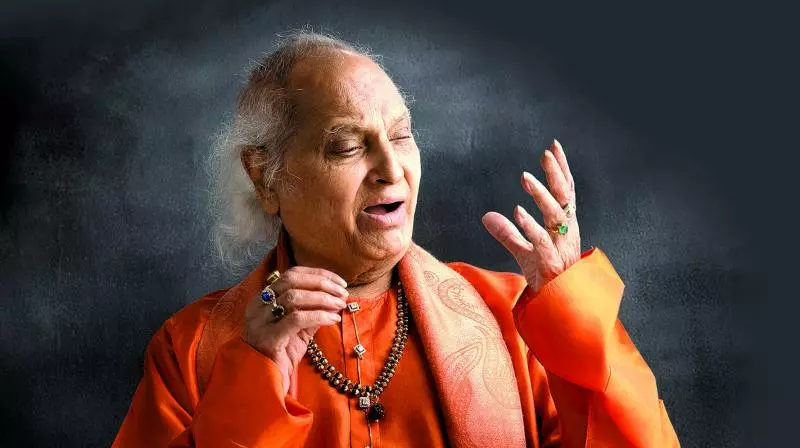
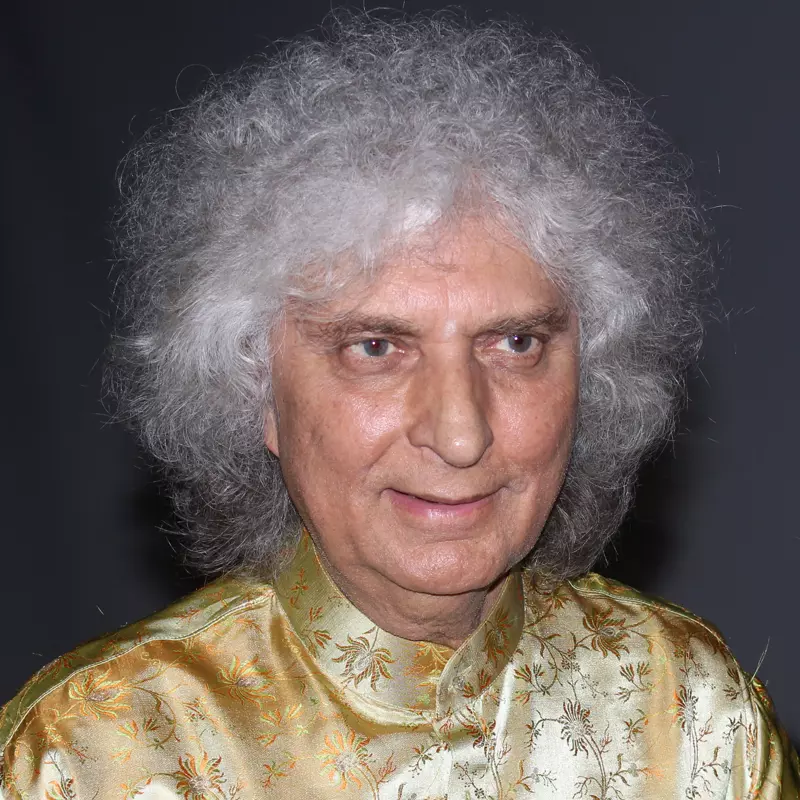
A visionary figure in Hindustani music, Pandit Shivkumar Sharma single-handedly elevated the santoor from a Kashmiri folk instrument to a premier classical solo instrument. Guided early on in Jammu by his father, Pandit Uma Dutt Sharma (a disciple of the Benaras gharana's Pandit Bade Ram Das), Shivkumar Sharma re-engineered the instrument’s techniques to satisfy the rigorous demands of North Indian classical traditions.
Sharma's contribution went beyond virtuoso performance. He introduced important modifications and playing techniques that expanded the instrument's melodic possibilities and enabled him to approach the nuances of Hindustani raga music with greater control. Through sustained experimentation, extensive concert work and international performances, he helped establish the santoor as a recognised classical instrument and inspired a new generation of musicians to explore it. He was also a composer, teacher and lecturer, training younger artists and sharing his knowledge at institutions in India and abroad, including as a visiting professor at the Jazz Conservatory in Oslo.
His recorded legacy encompasses a substantial body of classical repertoire. Saregama's "The Complete Works – My Music – The Saregama Years,” brings together 71 recordings spanning ragas, dhuns, folk-based pieces and concert material, reflecting the breadth of his musical work. His artistic collaborations further expanded his reach, particularly his partnership with flautist Pandit Hariprasad Chaurasia. As the duo Shiv-Hari, they composed music for Hindi films including "Silsila," "Chandni," "Lamhe" and "Darr," introducing the musical character of two leading classical instrumentalists to a much wider cinema audience.
Sharma's achievements were recognised with the Sangeet Natak Akademi Award in 1986, the Padma Shri in 1991 and the Padma Vibhushan in 2001. He also received honorary doctorates from the University of Jammu and Indira Gandhi National Open University and was elected a Fellow of the Sangeet Natak Akademi for his contribution to Indian music.
He died in Mumbai on 10 May 2022 at the age of 84. His enduring legacy lies in having given the santoor a firmly established place within Hindustani classical music while creating a distinctive artistic tradition that continues through musicians influenced by his work, including his son, Rahul Sharma.